
Optimizing Land Use and Infrastructure Through Data-Driven Policy
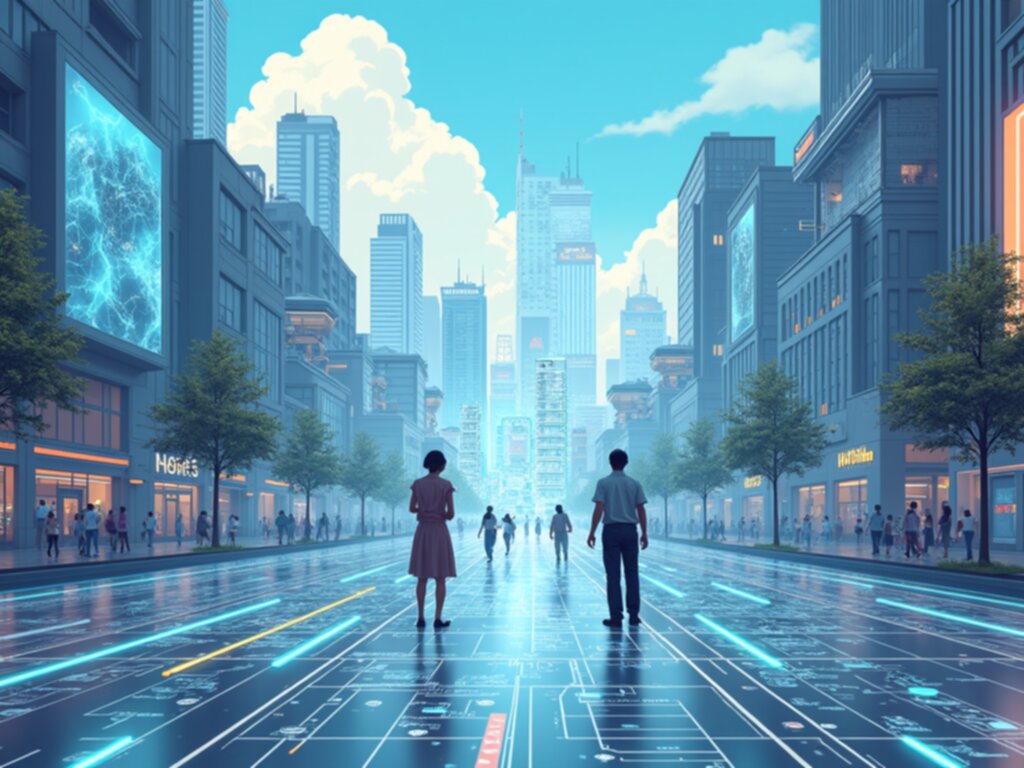
I've spent a lot of time looking at how we actually build cities, and honestly, it usually feels like we're just guessing where to put things. But then you look at what RAND is doing with these high-fidelity digital twins and you realize we don't have to fly blind anymore. They’re basically stress-testing buildings in a virtual world before a single brick is laid, which has already shaved about 15% off the cost of keeping that infrastructure running. Think about the curb outside your favorite coffee shop; if we just took 10% of that space and gave it to bikes or scooters, we’d see carbon emissions drop by 22% while actually bringing more people into local shops. It’s wild how much data can change the math on a sea
Balancing Economic Vitality with Community Quality of Life
Honestly, I've always felt like the tug-of-war between making money and actually liking where you live is a false choice. We've seen some pretty wild numbers lately that suggest keeping people happy is actually the best way to keep the city's bank account full. Take those tiny pocket parks RAND studied; putting one just a three-minute walk from an office block bumps up productivity by 12% because people aren't so burnt out. And let's be real, nobody wants to spend their life in traffic, but shaving just eight minutes off a commute puts $2,400 back into a neighbor's pocket every year to spend at the local deli. I'm convinced that mixing up who lives where is the secret sauce, since neighborhoods with a healthy 3
Evaluating the Public Health Implications of Urban Neighborhood Design
I used to think the layout of a street was just about traffic flow, but looking at the latest health data makes you realize it’s actually a matter of life and death. It turns out that hitting a 40% tree canopy threshold isn't just for aesthetics; it actually cuts heat-related emergency room visits by 18% during those brutal summer spikes. And honestly, it’s those little details we often overlook that carry the most weight. For instance, putting a green buffer between a busy road and a housing block drops localized pollution by 24%, which links directly to 9% fewer kids ending up in the hospital with asthma. Think about your morning walk to get milk. We're finding that when a grocery store is within 400 meters of
Shaping Long-Term Urban Services and Transportation Frameworks
I've always found it a bit terrifying that we build billion-dollar bridges and train lines based on a single guess about what the weather will look like in thirty years. But then you look at how RAND is using Robust Decision Making to stress-test transit corridors against 500 different climate scenarios at once, and suddenly, we aren't just guessing anymore. It’s a massive deal because it cuts the risk of building something that ends up underwater—or "stranded assets" as the engineers call them—by nearly 30% in coastal spots. That’s real money staying in the public pocket. And look, I’m usually skeptical about the "self-driving car will save us" hype, but platooning those vehicles in dedicated lanes can actually squeeze 40% more