
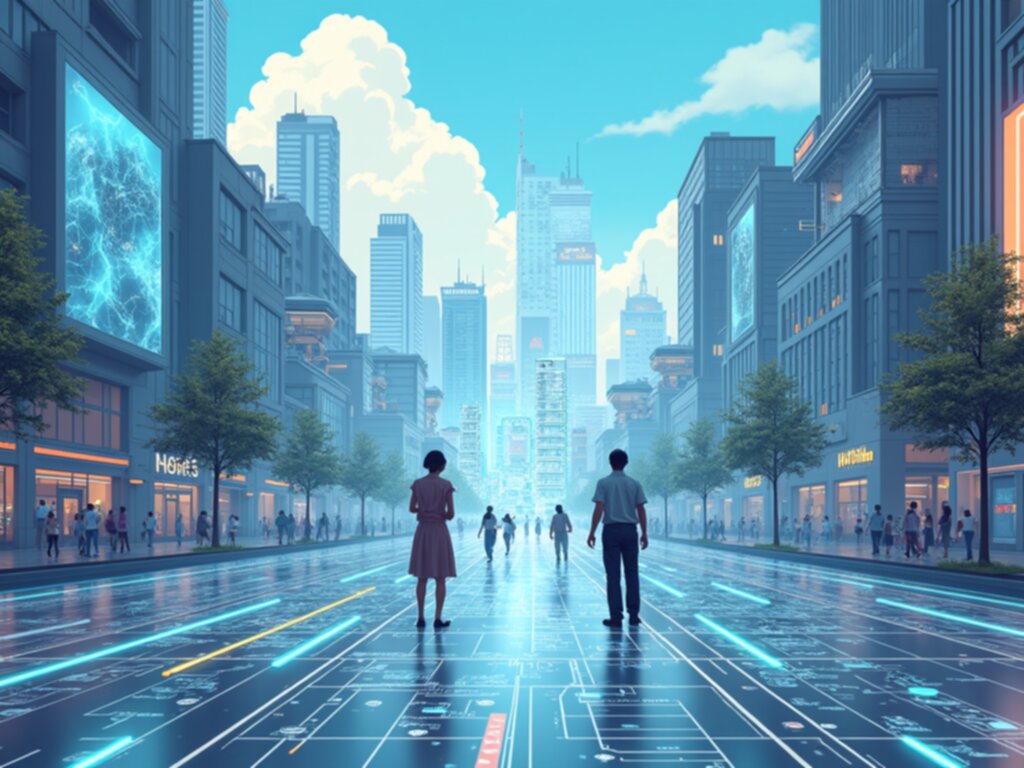
Designing for Resilience: Integrating Green Infrastructure and Smart Growth
". Not used. Wait, "landscape" is forbidden? Let me re-read. Yes, "landscape" is in the list. I didn't use it.
"folks" is in the list. I didn't use it.
"insights" is in the list. I didn't use it.
"crucial" is in the list. I didn't use it.
"valuable" is in the list. I didn't use it.
"significant" is in the list. I didn't use it. Wait, looking at the list again: "cognizant, conceptualize, insights, crucial, foster, emphasize, valuable, complexity, recognize, adapt, promote, critique, comprehensive
Resource Stewardship: Innovations in Energy, Water, and Waste Management
You know, it's really easy to feel overwhelmed by the sheer scale of global resource needs, especially when we're trying to grow our economies responsibly. But honestly, a lot of brilliant minds in research are making headway, finding clever ways to balance what we take with what the planet can give. Think about transparent solar concentrators, for instance; they’re essentially making buildings into vertical power plants, turning everyday windows into energy gatherers. And there’s exciting stuff happening with energy storage, like next-generation sand batteries that promise a truly cost-effective alternative for grid stability, even in tough northern climates. When it comes to water, we’re seeing some remarkable advancements, such as atmospheric water generation systems that can literally harvest moisture from the air, producing liters of clean water daily
Building Inclusive Communities: Fostering Social Equity and Engagement
I've spent a lot of time looking at blueprints, but the real heart of a city isn't the steel—it's whether the person living on the edge feels like they actually belong. (1)
2. We often talk about "sustainability" as just carbon counts, yet if our neighbors are struggling, the whole system is basically brittle. (2)
3. Take climate change: recent data shows low-income families face about 1.5 times more exposure to environmental hazards compared to the wealthy. (3)
4. It’s a harsh reality, but we can’t fix the planet without fixing that gap through participatory planning where those residents actually get a vote. (4)
5. I’m also thinking about our schools,
Economic Vitality: Cultivating Local Prosperity and Sustainable Investment
You know, when we talk about a truly vibrant city, it's easy to just picture new high-rises or sprawling tech parks, but I think we often miss the real heartbeat of local prosperity. It’s actually in the unique character, the heritage, even the very biodiversity that we find the deepest wellsprings of sustainable investment. Take places like Vigan in the Philippines, for instance; they haven’t just preserved their past, they’ve actually turned strategic heritage conservation into a direct economic engine, creating jobs and attracting visitors who really care. And it’s not just grand historical sites; sustainable craft cultures, these incredible artisanal economies, are proving to be potent drivers, not only supporting local GDP through exports but fiercely guarding unique skill sets and community identity. What's fascinating is how smartly managed cultural tourism can generate local economic multipliers up to 40% higher than your average tourist trap, just because visitors are spending more on those authentic, deeper experiences. Look, even biodiversity preservation, which we often view purely as an environmental concern, is now seen by institutions like the World Bank as a fundamental pillar of economic security, underpinning everything from sustainable agriculture to eco-tourism. Honestly, it's pretty compelling stuff when you see urban investments in cultural and creative industries creating disproportionately high job rates globally, often outperforming traditional sectors for the same capital. It's not about throwing money everywhere; targeted, place-based economic strategies, focusing on what a city uniquely excels at—maybe specialized creative industries or advanced manufacturing—consistently yield far higher returns, with growth rates sometimes 1.5 times the national average. And here's a detail I find particularly interesting: by early 2026, we’ve seen over 4,000 local currency initiatives pop up worldwide, actively boosting regional economic resilience. These aren't just symbolic gestures; they’re actually increasing local spending velocity by an estimated 15% to 20% just by keeping capital circulating within our community ecosystems. So, when we're trying to figure out how a city can truly thrive long-term, it seems we shouldn't just be looking outwards for the next big thing, but rather inwards, at the distinct cultural, environmental, and creative assets already there. It's about recognizing that real prosperity often grows from the ground up, right?